If you own a home in Utah, your roof takes a beating year-round. Between intense sun exposure, heavy snow, and constant temperature swings, roofs here tend to wear out faster than the national average.
So how long should your roof actually last in Utah, and when should you start thinking about replacing it?
The answer depends on your roofing material, how well it was installed, and how it’s been maintained over time.
Key Takeaways: Roof Lifespan in Utah
- Most roofs in Utah last 15–30 years
- Asphalt shingles (most common): 20–25 years typical
- Metal roofs: 40–70+ years
- Harsh UV exposure + snow can shorten lifespan
- Start inspecting your roof around 15–20 years old
How Long Do Roofs Last in Utah?
In Utah, most residential roofs last between 15 and 30 years, with asphalt shingles typically falling in the 20–25 year range.
However, lifespan can vary significantly depending on:
- Roofing material
- Installation quality
- Ventilation and insulation
- Exposure to Utah’s climate
Because of Utah’s high elevation and extreme seasonal changes, roofs here often age faster than in milder climates.
Roof Lifespan by Material in Utah
Asphalt Shingle Roof Lifespan (Utah)
- 15–30 years (typically 20–25 years)
- Most common roofing material
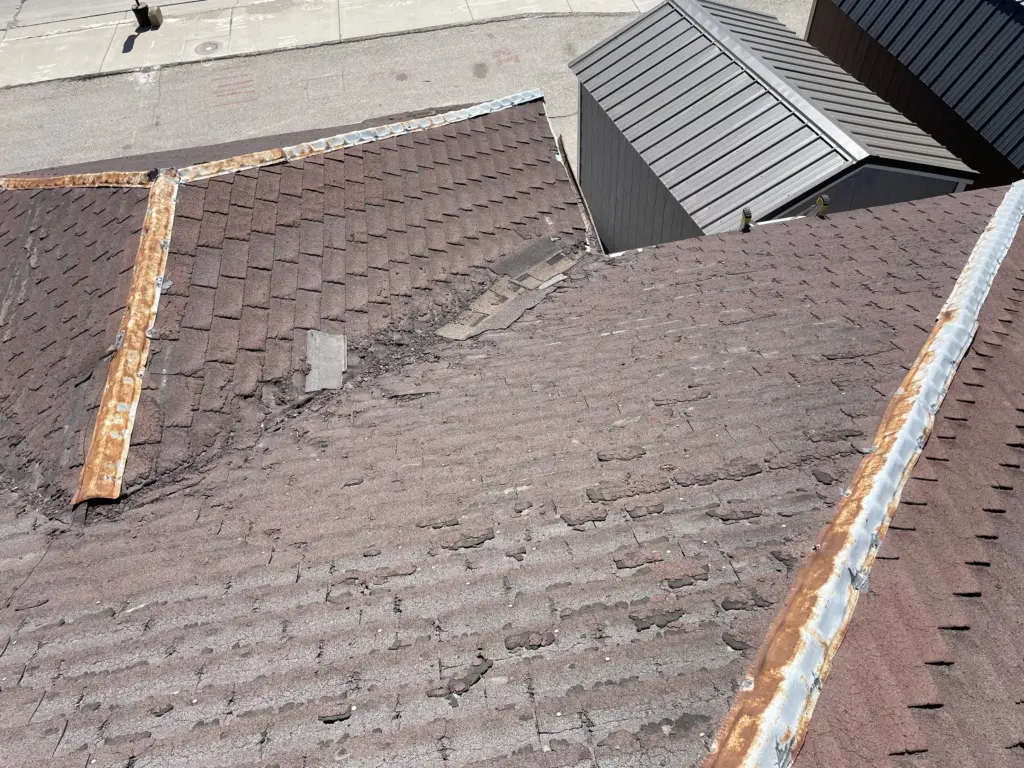
- Vulnerable to UV damage and heat
Asphalt shingles are the most popular choice for Utah homeowners, but they also tend to wear down faster due to constant sun exposure and temperature swings.
Metal Roofing Lifespan (Utah)
- 40–70+ years
- Excellent for snow shedding
- Highly durable in extreme weather
Metal roofs perform extremely well in Utah’s climate, especially in areas with heavy snowfall. They’re a higher upfront investment but last significantly longer.
Wood Shingles / Shake Roofs
- 20–40 years
- Requires ongoing maintenance
- Sensitive to moisture and weather exposure
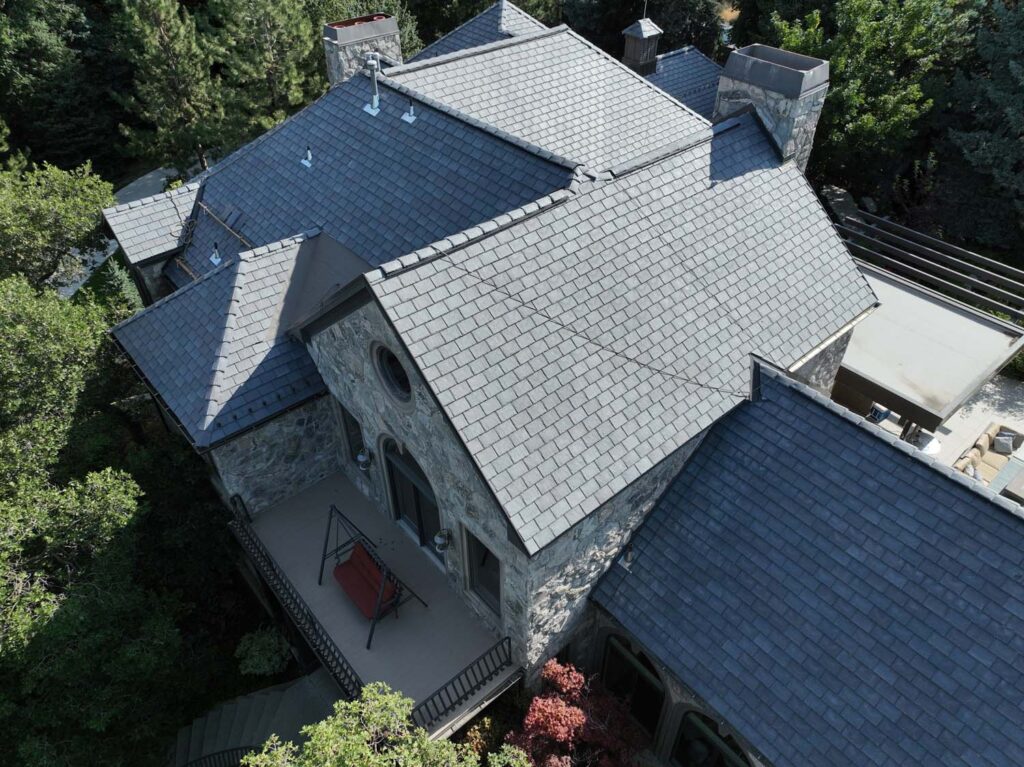
Slate or Tile Roofs
- 50–100 years
- Premium option
- Extremely durable but less common
Flat Roofs
- ~15–25 years
- More prone to drainage and snow-related issues
What Shortens a Roof’s Lifespan in Utah?
Utah’s environment plays a major role in how long your roof lasts. Here are the biggest factors:
1. Intense UV Exposure
Utah’s higher elevation means stronger sun exposure, which can dry out and weaken roofing materials, especially asphalt shingles.
2. Snow Load & Ice Dams
Heavy snow buildup adds weight and stress to your roof. Poor drainage or insulation can lead to ice dams, which trap water and cause damage.
3. Freeze-Thaw Cycles
Constant temperature swings cause roofing materials to expand and contract, leading to cracking and premature aging.
4. Poor Ventilation
Improper attic ventilation traps heat and moisture, accelerating roof deterioration from the inside out.
5. Installation Quality
A poorly installed roof will fail significantly faster, regardless of material.
6. Lack of Maintenance
Neglecting inspections, debris removal, and small repairs can shorten your roof’s lifespan by years.
How Often Should You Replace a Roof in Utah?
Most homeowners in Utah should plan to replace their roof every 20–30 years, depending on the material and condition.
However, you shouldn’t rely on age alone. A roof may need replacement sooner if it shows signs of damage or wear.
A good rule of thumb:
- Start inspections around 15 years old
- Begin planning around 20 years
Signs It’s Time to Replace Your Roof
If you’re noticing any of the following, it may be time to consider a roof replacement:
- Curling, cracking, or missing shingles
- Sagging areas on the roofline
- Water stains on ceilings or walls
- Leaks or moisture in the attic
- Daylight visible through the roof boards
- Sudden increase in energy bills
Catching these early can save you from more expensive damage down the line.
What Should You Do Next?
If your roof is 10–20+ years old, showing signs of wear, or you’re unsure about its condition, now is the time to take action.
This is especially important for homeowners in Utah who:
- Haven’t had a roof inspection in several years
- Are you seeing early signs like cracked or missing shingles
- Recently purchased a home and don’t know the roof’s age
- Want to avoid costly repairs or interior damage
The best next step is to schedule a professional roof inspection. This will help you determine whether your roof still has life left or if it’s time to start planning for a replacement.
Taking a proactive approach now can extend your roof’s lifespan and prevent much more expensive issues down the road.
How often should I replace my roof in Utah?
Most roofs in Utah need replacement every 20–30 years, though this depends on the material and overall condition.
Is a 20-year-old roof too old?
Not necessarily, but it’s a critical point. At 20 years, most asphalt roofs should be inspected regularly and may be nearing replacement.
What is the 25% rule for roof replacement?
The 25% rule refers to building codes that may require a full roof replacement if more than 25% of the roof is damaged.
Is $30,000 too much for a roof?
It depends on the size of the home, the materials used, and the complexity. In Utah, full roof replacements can range widely, especially for higher-end materials.
What type of roof lasts the longest in Utah?
Metal and slate roofs last the longest, often exceeding 40–70+ years, making them ideal for long-term durability.