Most Salt Lake City homeowners pay between $400 and $1,800 for roof repairs in 2026, though complex issues like extensive storm damage or structural problems can run $3,000 to $6,000. The wide range depends on repair type, roofing material, accessibility, and whether you’re fixing a minor leak or replacing an entire section damaged by Utah’s harsh weather.
Utah’s unique climate impacts repair costs significantly. Our temperature swings, heavy winter snow loads, and intense UV exposure create specific damage patterns that differ from national averages. SLC labor rates run $75 to $125 per hour, and materials cost more due to elevation and transportation. Understanding what drives these costs helps you budget accurately and avoid contractor surprises when looking for roof repairs.
Key Takeaways
- Simple repairs like flashing or minor leaks cost $400 to $900 in Salt Lake City
- Storm damage and structural repairs range from $1,200 to $6,000 depending on severity
- Utah’s climate creates unique damage patterns that affect repair complexity and cost
- Getting multiple detailed estimates helps identify fair pricing versus inflated quotes
- Some repairs signal replacement needs, potentially saving money long-term
Who This Is For
- Utah homeowners who discovered water stains, leaks, or visible roof damage
- Property owners evaluating whether to repair or replace their aging roof
- Homeowners researching fair pricing before contacting contractors
- Anyone who received a repair estimate and wants to verify it’s reasonable
- Buyers considering a home purchase with identified roofing issues
Factors That Affect Roof Repair Costs in Salt Lake City
Your roofing material creates the biggest cost variable. Asphalt shingle repairs cost less than tile, slate, or metal roofing because materials are cheaper and installation is simpler. A basic asphalt shingle replacement runs $8 to $12 per square foot, while tile repair jumps to $15 to $25 per square foot due to material costs and specialized labor.
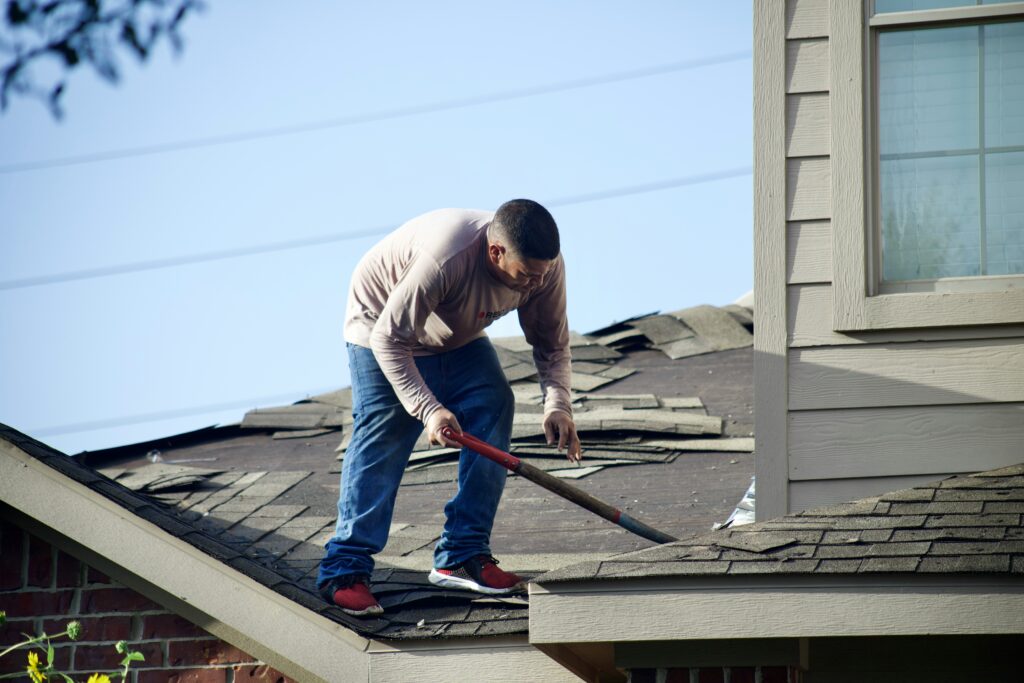
Accessibility and roof pitch significantly impact labor costs. Single-story homes with accessible roofs cost less to repair than steep-pitched or multi-story properties requiring additional safety equipment. Contractors charge 20% to 40% more for difficult-access roofs because work takes longer and requires specialized staging or harnesses.
Extent of damage determines whether you’re paying for a patch or a major repair. A simple flashing repair might take two hours, while extensive storm damage requiring deck replacement, new underlayment, and shingle replacement can take days. Hidden damage discovered during repair adds to final costs, which is why detailed inspections matter before quoting.
How Much Does Each Type of Roof Repair Cost in Utah?
Flashing repairs are among the most common fixes, costing $300 to $800 in Salt Lake City. This includes valley flashing, chimney flashing, and vent pipe boots that fail due to UV damage or improper installation. Simple flashing replacement takes 2-4 hours, but costs increase if surrounding shingles need replacement or if water damage affected the decking underneath.
Leak repairs without structural damage typically run $400 to $1,200 depending on location and cause. Simple fixes like replacing a few damaged shingles or resealing a penetration cost less, while tracking down hidden leaks or repairing multiple problem areas increases costs. Utah’s freeze-thaw cycles often create ice dam damage that requires more extensive repair work than simple leaks.
Storm damage repairs range dramatically from $800 to $6,000 based on severity. Minor hail damage might require replacing sections of shingles, while wind damage can tear off entire sections, requiring deck repair, new underlayment, and complete shingle replacement. Insurance often covers storm damage, but you’ll pay your deductible, which typically ranges from $1,000 to $2,500.
Structural repairs involving deck replacement, rafter repair, or fixing sagging areas cost $2,000 to $6,000 or more. These repairs require removing roofing materials, replacing damaged wood, and reinstalling everything properly. Structural issues often indicate deferred maintenance or serious water intrusion that went unaddressed, making them the most expensive repair category.
When Should You Repair Versus Replace Your Roof
Repair makes sense when damage is localized, and your roof has 7+ years of life remaining. If you’re fixing a storm-damaged section on a 10-year-old roof in good condition otherwise, repairs deliver better value than premature replacement. Cost matters too. When repairs exceed 30% of replacement cost, replacement often makes more financial sense.
Replace rather than repair when you’re making frequent repairs, your roof is over 20 years old, or damage is widespread. Multiple leak repairs within two years signal systemic failure, not isolated problems. If your repair estimate approaches $4,000 to $6,000 and your roof is aging, investing that money in partial replacement delivers better long-term value.
Consider your timeline too. Planning to sell within 2-3 years makes repairs more attractive since you’ll recoup less than 60% of replacement costs at resale. Staying long-term makes replacement smarter if your roof shows multiple problem areas, since you’ll eventually need it anyway and avoid repeated repair expenses.
How Professional Contractors Estimate Roof Repairs in Utah
Thorough inspections identify all damage, not just obvious problems. Quality contractors inspect from inside the attic, looking for water stains, daylight, or structural issues before examining the exterior. This comprehensive approach prevents surprise costs mid-project when hidden damage appears. Expect 30-60 minutes for proper inspection of a typical residential roof.
Detailed written estimates break down materials, labor, and scope clearly. Vague quotes saying “roof repair” for a lump sum hide important details about what’s included. Good estimates specify which areas need work, materials used, labor hours, and warranty terms. This transparency lets you compare apples-to-apples when getting multiple bids.
Reputable contractors explain why specific repairs are needed and show you evidence. Photos of damaged areas, explanations of how problems developed, and honest assessments of whether repair or replacement makes more sense build trust. Contractors pushing unnecessary work or unable to explain their recommendations raise red flags worth heeding.
Practical Examples
Minor Flashing Repair: A Sugarhouse homeowner noticed water stains near their chimney after spring snowmelt. Inspection revealed failed chimney flashing allowing water intrusion. The repair involved removing surrounding shingles, installing new step and counter flashing, and replacing shingles. Total cost was $650, including materials and 4 hours of labor.
Storm Damage Section Replacement: A Millcreek home suffered wind damage during a summer storm, losing about 200 square feet of shingles on one slope. The contractor replaced damaged decking in two spots, installed new underlayment, and matched existing shingles. Insurance covered the work minus a $1,500 deductible, with a total repair cost of $3,200.
Multiple Leak Sources: A Holladay homeowner experienced leaks in two bedrooms during heavy rain. Inspection found failed valley flashing and three damaged vent pipe boots. Repairs included valley flashing replacement, new vent boots, and replacement of compromised shingles around both areas. The comprehensive repair cost $1,450 and solved all leak issues.
Common Mistakes to Avoid
- Choosing the lowest bid without verifying contractor credentials, insurance, and references
- Accepting vague estimates that don’t specify materials, scope, or warranty details
- Delaying small repairs until they become major structural problems, costing thousands more
- Skipping attic inspection, focusing only on exterior visible damage
- Making repeated repairs on aging roofs instead of planning strategic replacement
- Filing insurance claims for minor damage that costs less than your deductible
- Hiring contractors who pressure immediate decisions or use scare tactics
Frequently Asked Questions
How do I know if my repair estimate is fair for Salt Lake City?
Get 3-4 written estimates from licensed contractors and compare scope, not just price. Fair estimates for similar work should cluster within 15-20% of each other. Outliers significantly higher or lower deserve scrutiny. Check that estimates include comparable materials, warranty terms, and detailed scope so you’re comparing equivalent services.
How long do roof repairs typically last in Utah?
Quality repairs using proper materials and installation should last as long as the surrounding roofing, typically 10-20 years for asphalt shingles. Utah’s UV exposure, temperature swings, and snow loads stress repairs the same as the original roofing. Poor repairs using mismatched materials or improper techniques might fail within 2-5 years, making contractor selection critical.
Can I do roof repairs myself to save money?
Simple repairs like replacing a few shingles are DIY-friendly if you’re comfortable with heights and have proper safety equipment. Complex repairs involving flashing, valleys, or structural work require professional expertise to prevent creating worse problems. Most homeowners lack proper safety equipment, and DIY mistakes often cost more to fix than hiring professionals initially.
How quickly should I address roof damage after discovering it?
Address active leaks immediately to prevent water damage, mold, and structural issues that multiply repair costs exponentially. Minor damage without leaks can wait briefly while you research contractors and get estimates, but don’t delay for months. Utah weather can turn minor damage into major problems quickly, especially before winter snow loads or summer storms.
Final Thoughts
Understanding what drives roof repair costs in Salt Lake City helps you budget appropriately and evaluate contractor estimates fairly. While prices range dramatically based on damage type and scope, most Utah homeowners should expect $400 to $1,800 for common repairs like flashing, minor leaks, or limited shingle replacement. Extensive damage naturally costs more, but knowing typical ranges prevents overpaying or accepting suspiciously low bids that signal poor quality.
Address roofing problems promptly with qualified, licensed contractors who provide detailed estimates and thorough inspections. Small repairs caught early save thousands compared to deferred maintenance that creates structural damage. Whether you need simple flashing work or major storm damage repair, investing in quality fixes protects your home and maintains property value in Utah’s challenging climate.
Brady Roofing offers free estimates and inspections in Salt Lake City. Contact us today to schedule your inspection and get a quote for your roof repair.