Your roof protects your home from Utah’s intense sun, snow loads, wind, and seasonal storms. Over time, those conditions wear down roofing materials and eventually lead to failure.
The challenge for many homeowners is knowing when a roof simply needs repairs and when it actually needs to be replaced. Waiting too long can lead to water damage, insulation problems, and much more expensive repairs.
In this guide, you’ll learn how to tell if your roof needs replacing, how long roofs typically last in Utah, and the most common warning signs homeowners in Salt Lake City should watch for.
Key Takeaways
- Most asphalt roofs in Utah last 20 to 25 years, depending on sun exposure and winter weather.
- Curling shingles, granule loss, and frequent leaks are common signs that a roof may need replacement.
- Utah’s freeze-thaw cycles and heavy snow accelerate roof deterioration.
- If your roof is over 20 years old and showing visible damage, replacement is often more cost-effective than repairs.
- A professional inspection from a roof replacement contractor in Salt Lake City can confirm whether repair or replacement is the better option.
How can you tell if your roof needs to be replaced?
You can usually tell your roof needs replacing when visible damage, aging materials, or recurring leaks indicate the roofing system is failing.
Some of the most common warning signs include:
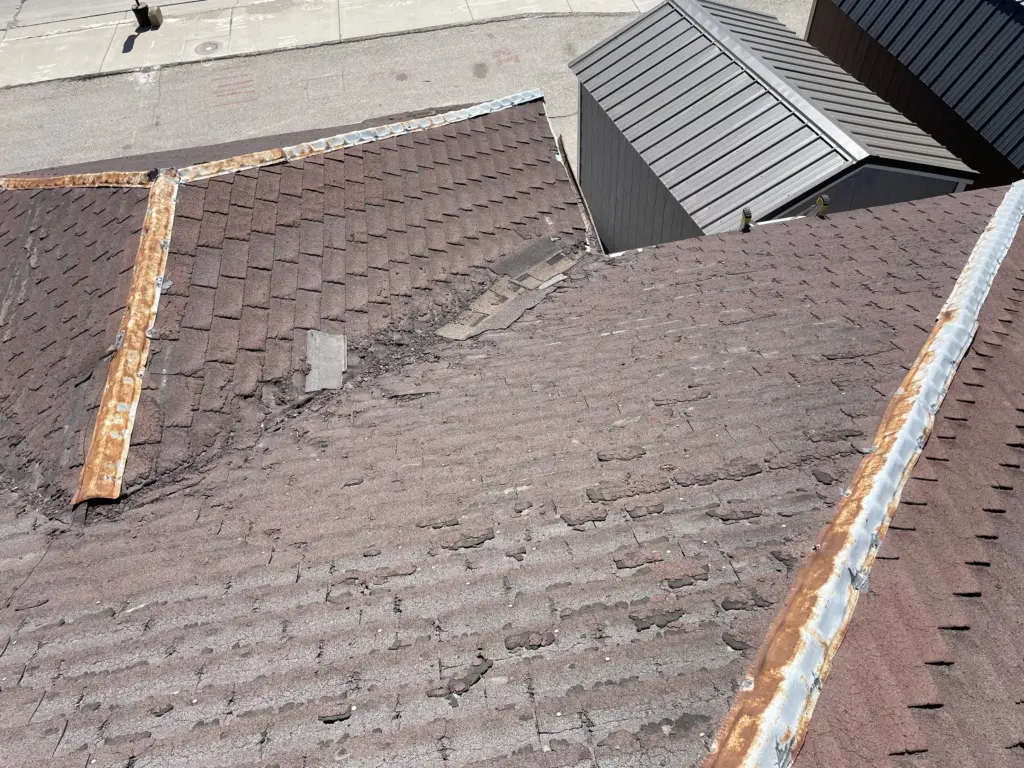
- Shingles that are curling, cracking, or buckling
- Missing shingles after windstorms
- Large amounts of shingle granules in gutters
- Dark streaks or algae growth
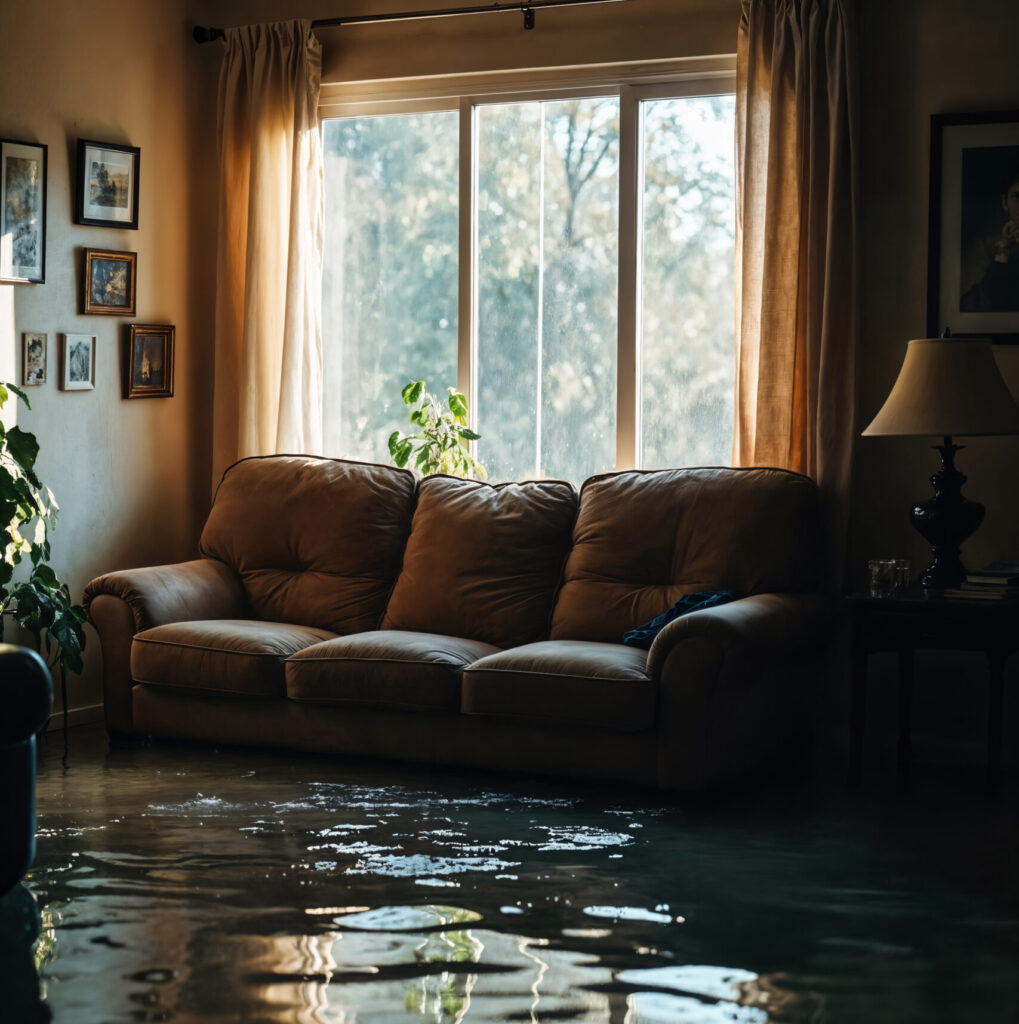
- Water stains on ceilings or attic insulation
- Sagging areas on the roof
While one or two damaged shingles may only require repair, multiple problem areas often signal the roof is nearing the end of its life.
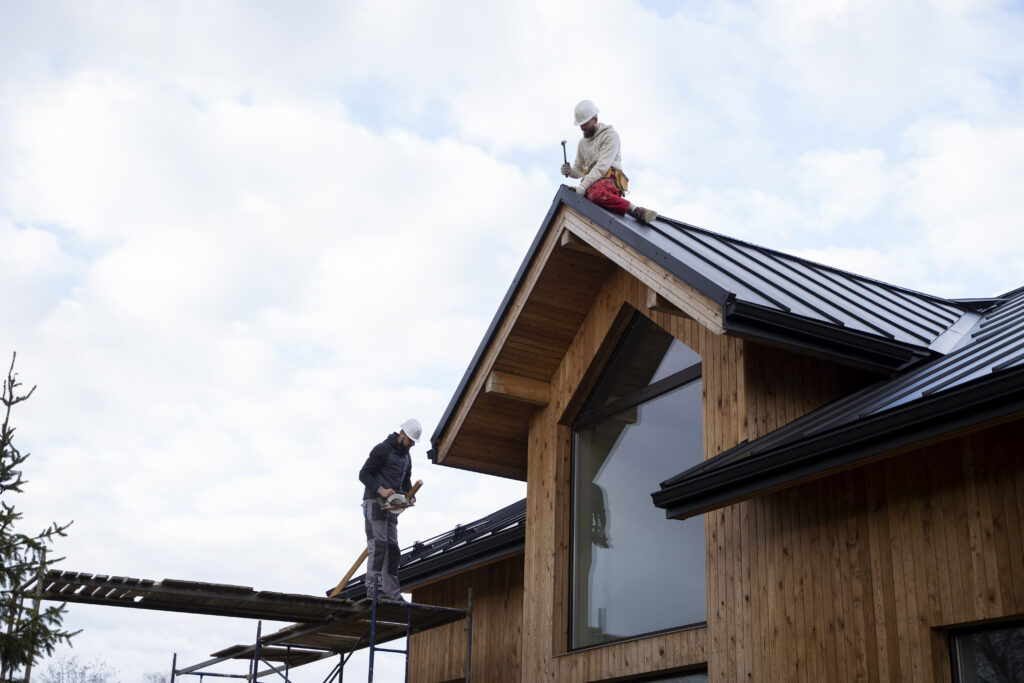
A professional inspection can determine whether repairs are sufficient or if a full roof replacement in Salt Lake City is the safer long-term solution.
How long do roofs typically last in Utah?
Most residential roofs in Utah last 20 to 30 years, but their lifespan varies depending on the material and weather exposure.
Utah’s climate can be particularly hard on roofs due to:
- High UV exposure at elevation
- Heavy snow accumulation
- Freeze-thaw cycles in winter
- Strong seasonal windstorms
Here is a general lifespan comparison for common roofing materials:
If your roof is approaching the upper end of its expected lifespan, it’s a good idea to schedule an inspection to determine when to replace your roof in Utah before major damage occurs.
What are the most common signs your roof is failing?
Several visible warning signs indicate your roofing system may be deteriorating.
1. Curling or cracked shingles
Shingles that curl upward or crack are often a sign of long-term weather damage and aging materials.
2. Missing shingles
Windstorms in Utah frequently lift or remove shingles. Missing shingles expose the underlayment and increase the risk of leaks.
3. Granules collecting in gutters
If you notice sand-like granules in gutters, it means shingles are losing their protective coating.
4. Interior water stains
Water stains on ceilings or attic beams usually indicate roof leaks or failing flashing.
5. Sagging roof sections
A sagging roofline may signal structural damage or moisture intrusion, which requires immediate attention.
When should homeowners replace a roof instead of repairing it?
Homeowners should consider replacing their roof instead of repairing it when damage is widespread, the roof is aging, or repairs are becoming frequent.
Roof replacement is often the better option when:
- The roof is 20+ years old
- Multiple leaks appear in different areas
- Shingles are deteriorating across large sections
- Repairs have been needed several times in recent years
- Storm damage affects a large portion of the roof
In these situations, continuing to repair the roof can become more expensive than installing a new roofing system.
How much does roof replacement cost in Utah?
Roof replacement in Utah typically ranges from $8,000 to $25,000 for most homes, depending on the size of the roof and materials used.
Several factors affect the cost of roof replacement in Utah, including:
- Roof size and pitch
- Type of roofing material
- Tear-off and disposal requirements
- Underlayment and ventilation upgrades
- Labor and installation complexity
Every home is different, so a roof inspection and estimate is the best way to determine actual costs.
Practical Examples
Aging roof in Salt Lake City
A homeowner in Salt Lake City notices curling shingles and granules collecting in the gutters. Their roof is 23 years old. After inspection, the contractor recommends replacement because repairs would only delay inevitable failure.
Storm damage after a winter windstorm
After a winter storm, several shingles are missing, and attic moisture is discovered. Because the roof is already 20 years old, replacing the roof prevents recurring leaks.
Recurring leaks during snow melt
A home experiences repeated leaks each spring when the snow melts. The issue turns out to be aging shingles and deteriorated flashing, making roof replacement the most reliable solution.
Common Mistakes
- Waiting until a roof leak causes interior damage
- Assuming missing shingles are only a cosmetic issue
- Ignoring attic moisture or ceiling stains
- Delaying inspection on roofs older than 20 years
- Attempting DIY roof repairs after storm damage
- Choosing repairs repeatedly instead of evaluating replacement
- Hiring contractors without local experience in Utah’s weather conditions
Your roof plays a critical role in protecting your home from Utah’s changing weather conditions. Over time, sun exposure, snow, and storms gradually weaken roofing materials, making replacement necessary.
Recognizing the warning signs early can help homeowners avoid costly interior damage and emergency repairs. If your roof is aging or showing visible deterioration, scheduling a professional inspection is the smartest next step.
If you’re unsure whether your roof needs repair or full replacement, schedule a consultation with Brady Roofing to evaluate your roof and discuss the best solution for your home.
Frequently Asked Questions
The best way to know whether your roof needs repair or replacement is through a professional inspection. Minor damage may only require repairs, but widespread deterioration or an aging roof often makes replacement the more reliable solution.
Late spring through early fall is typically the best time for roof replacement in Utah because weather conditions are more stable. However, experienced roofing contractors can perform roof replacements year-round if conditions allow.
A leaking roof can sometimes be repaired, but recurring leaks or widespread shingle damage usually indicate deeper problems. If leaks appear in multiple areas, replacement is often recommended.
Homeowner’s insurance may cover roof replacement if the damage is caused by a covered event such as wind or hail. Normal aging or wear typically is not covered.
Most residential roof replacements take one to three days, depending on roof size, weather, and complexity.
Replacing an old roof before selling can increase buyer confidence and prevent inspection issues during the sale process. A newer roof can also improve curb appeal and home value.
Roofs should generally be inspected once per year and after major storms. Regular inspections help identify damage early before it becomes expensive.