
Winter can be especially tough on roofs in Salt Lake City and throughout Northern Utah, where snow, ice, and repeated freeze-thaw cycles put constant stress on roofing materials. Many homeowners do not realize winter-related roof damage has occurred until spring rain exposes hidden issues like leaks, moisture buildup, or weakened shingles.
This article explains the most common types of winter roof damage that often go unnoticed, why they happen, and how homeowners in Utah can catch them early.
How Winter Weather Stresses Your Roof
Cold weather puts your roof through repeated expansion and contraction. Materials freeze overnight and thaw during the day, creating stress that can loosen shingles, crack sealants, and widen small gaps.
In areas like Salt Lake City, West Valley, Sandy, Draper, and surrounding Utah communities, temperature swings between freezing nights and warmer daytime highs accelerate roof wear during winter months.
Snow accumulation adds weight, while ice can block proper drainage. Even if your roof looks fine from the ground, hidden damage can already be forming beneath the surface.
Common Types of Winter Roof Damage You Might Miss
Ice Dams
Ice dams form when heat escapes from the home and melts snow near the roof edge. The melted snow refreezes, trapping water behind it. That trapped water can work its way under shingles and into the roof deck.
Damage often remains hidden until warmer weather causes leaks inside the home.
Loose or Lifted Shingles
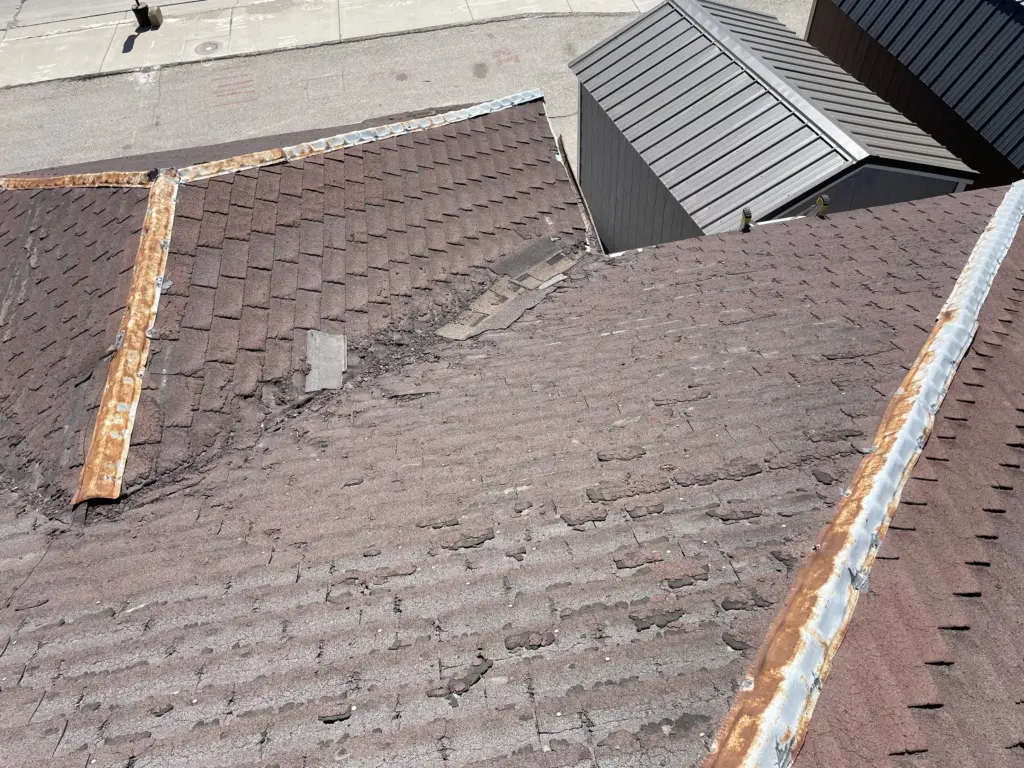
Wind combined with freeze-thaw cycles can loosen shingles without tearing them off completely. These shingles may still look intact, but no longer provide a proper seal.
Once spring rain arrives, water can easily slip underneath.
Cracked Flashing and Sealants
Metal flashing and sealants around chimneys, vents, and skylights become brittle in cold temperatures. Small cracks may form without any visible exterior signs.
These areas are a common source of slow, hard-to-detect leaks for homeowners throughout Salt Lake City and nearby areas.
Moisture in the Attic
Warm indoor air can condense in the attic during winter, especially if ventilation is poor. Moisture buildup can lead to mold, wood rot, and insulation damage.
Homeowners often do not notice this until odors or staining appear months later.
Why Problems Often Appear in Spring
Spring rain exposes weaknesses created during winter. Once ice melts and water begins flowing freely again, previously trapped moisture finds paths into the home.
What started as minor winter stress can quickly become interior water damage if left unaddressed.
When to Take Action
If your roof went through heavy snow, ice buildup, or strong winter storms, a professional inspection is recommended before spring weather intensifies.
As a roofing contractor serving Salt Lake City and surrounding Utah communities, Brady Roofing regularly identifies winter-related roof damage during late-winter inspections that homeowners had no idea existed. Early detection allows for simpler repairs and helps prevent more costly damage later.
Yes. Many issues develop beneath shingles or inside the attic and only become visible once rain or warmer temperatures expose them.
No. Some ice dams form in areas that are difficult to see and still cause significant water backup.
Excessive snow weight can stress roof structures, especially when combined with ice and moisture.
Waiting often leads to more extensive damage. Preventive inspections are safer and more cost-effective.
Yes. Unaddressed damage that worsens over time can sometimes impact warranty coverage.
Yes. Utah’s freeze-thaw cycles, snow accumulation, and winter temperature swings significantly increase the risk of hidden roof damage, especially in Salt Lake City and surrounding areas.
Winter roof damage is often quiet, slow, and easy to miss. For homeowners in Salt Lake City, West Jordan, Sandy, Draper, Herriman, and nearby Utah communities, a proactive roof inspection before spring can help catch issues early and protect the long-term health of your roof.
Brady Roofing provides professional roof inspections designed to identify winter-related damage before it turns into costly repairs.