Winter takes a serious toll on Utah roofs. Snow loads, ice dams, and freeze-thaw cycles create damage that often goes unnoticed until spring arrives. By the time you spot a leak inside your home, the damage has already escalated into a costly repair.
Spring is the ideal time for a Utah roof inspection because it lets you catch winter damage early. The weather is mild enough for safe roof access, and addressing issues now prevents them from worsening during summer storms. This checklist helps you identify problems before they turn into expensive emergencies.
Whether you inspect your roof yourself or call in professionals like Brady Roofing, knowing what to look for protects your home and your wallet. Here’s exactly what to check this spring.
Key Takeaways
- Spring inspections catch winter damage before it causes leaks and major repairs
- Check shingles, flashing, gutters, and roof penetrations for signs of damage
- Remove debris and organic growth that trap moisture against your roof
- Professional inspections identify hidden issues that homeowners typically miss
- Early detection saves thousands compared to emergency repairs
Who This Is For
- Utah homeowners who want to protect their roof investment
- Property owners concerned about winter damage to their roof
- Anyone who noticed ice dams, heavy snow loads, or visible roof issues this winter
- Homeowners planning to sell who need to ensure their roof is in good condition
What Should You Check First?
Start by examining your shingles for visible damage. Look for missing, cracked, curling, or loose shingles from ground level using binoculars. Pay special attention to areas where snow and ice accumulated most heavily during winter.
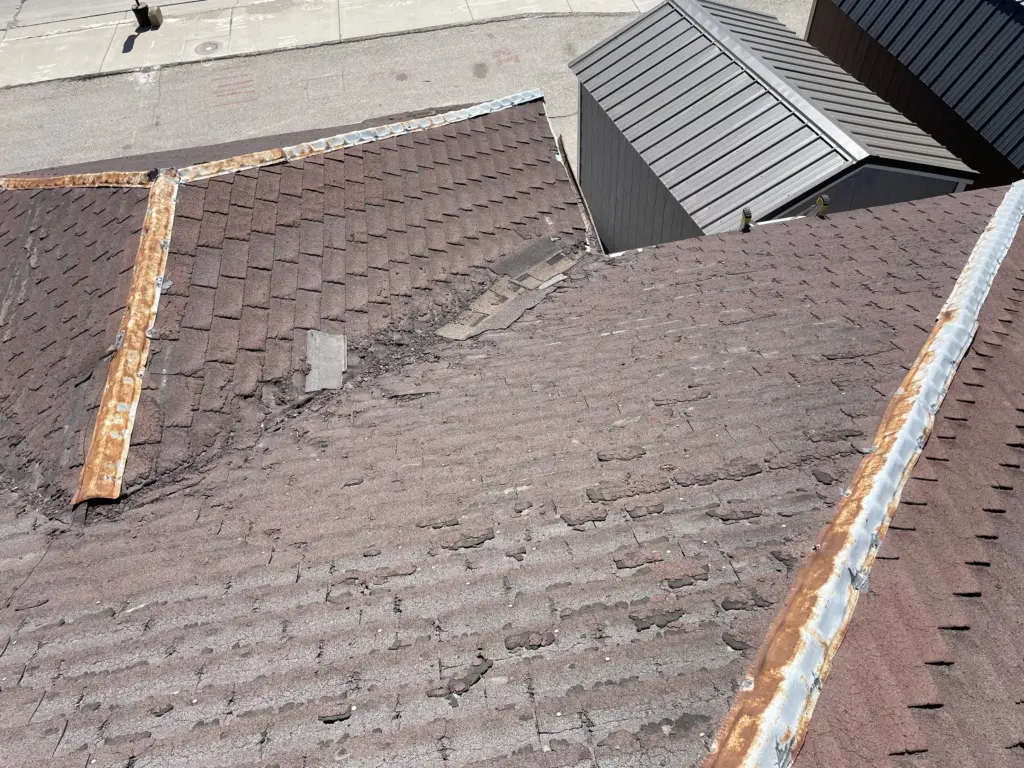
Check for granule loss, which appears as shiny or bald spots on shingles. Heavy granule loss in your gutters signals advanced wear. Curling edges or cupped shingles indicate moisture damage or age-related deterioration that needs immediate attention.
Wind damage often shows up as lifted or torn shingles, especially on corners and edges. Utah’s spring winds can worsen winter damage quickly, so identifying compromised shingles now prevents further problems.
Why Flashing Deserves Special Attention
Flashing around chimneys, vents, and skylights is your roof’s most vulnerable point. These metal strips seal gaps where different materials meet, and freeze-thaw cycles crack sealants and loosen connections throughout winter.
Inspect flashing for rust, cracks, or visible separation from the roof surface. Check that all seals remain intact and flexible, not brittle or crumbling. Even small gaps in flashing allow water infiltration that damages insulation, framing, and interior finishes.
Missing or damaged flashing requires immediate repair. Water entering through compromised flashing spreads quickly through your roof structure, creating problems far beyond the initial leak point.
How Does Debris and Growth Damage Your Roof?
Winter storms deposit branches, leaves, and debris on your roof. This buildup traps moisture against shingles, accelerating deterioration and promoting organic growth. Remove all debris from your roof surface and valleys where water flows.
Look for moss, algae, or mold growth, especially on north-facing slopes that stay shaded and damp. These organisms retain moisture and lift shingles, creating entry points for water. Utah’s spring moisture provides ideal conditions for rapid growth if not addressed.
Clean debris from valleys carefully, as these channels direct water off your roof. Blocked valleys cause water backup that seeps under shingles and into your home.
What Your Gutters Reveal About Roof Health
Clear gutters and downspouts completely, checking that water flows freely to discharge points away from your foundation. Clogged gutters overflow and back water under the roof edges, causing rot and fascia damage.
Inspect gutter attachments for sagging or detachment caused by ice weight. Heavy snow and ice can pull gutters away from fascia boards, leaving your roof edge vulnerable to water damage. Reattach loose sections immediately.
Check for water pooling near your foundation after spring rains. This indicates drainage problems that can affect both your roof system and foundation integrity. Extend downspouts or adjust grading to direct water away from your home.
What Other Areas Need Inspection?
Examine all roof penetrations, including vent pipes, attic vents, and skylights. Check that seals remain intact and boots around pipes show no cracks. Damaged boots are common leak sources that worsen rapidly once compromised.
Inspect your attic for moisture, stains, or insulation damage. Water stains on rafters or sheathing indicate active or previous leaks that need investigation. Check for proper ventilation, as inadequate airflow causes moisture buildup and premature roof failure.
Look at interior ceilings and walls for water stains, peeling paint, or soft spots. These signs indicate roof leaks that may not yet be visible from outside. Document any interior damage you find for professional evaluation.
Why Get a Professional Roof Inspection?
Homeowner inspections catch obvious problems, but professionals identify subtle issues before they become emergencies. Trained inspectors recognize early wear patterns, improper installations, and hidden damage that looks normal to untrained eyes.
Safety is a critical consideration. Roof access is dangerous, especially on steep pitches or when surfaces remain slippery from spring moisture. Professionals have proper equipment and insurance to inspect safely.
A professional Utah roof inspection from Brady Roofing includes detailed documentation, thermal imaging to detect moisture, and expert recommendations for repairs or maintenance. This comprehensive assessment protects your investment and provides peace of mind that nothing was missed.
Practical Examples
Example 1: A Park City homeowner noticed small amounts of granules in gutters after winter. A professional inspection revealed advanced shingle deterioration across 40% of the roof. Early detection allowed for planned replacement instead of emergency repairs after the next storm.
Example 2: A Salt Lake City property owner saw no visible damage but scheduled a spring inspection anyway. The inspector found compromised chimney flashing that would have caused major water damage within months. A simple flashing repair cost $400 instead of the $8,000 interior damage it would have required.
Example 3: An Ogden homeowner cleaned debris from their roof in March and discovered cracked shingles hidden under branches. Professional residential roof repair replaced damaged sections before spring rains, preventing leaks that would have damaged ceilings and insulation
Common Mistakes to Avoid
- Skipping spring inspections because the roof looks fine from the ground
- Ignoring small issues that seem minor but worsen rapidly
- Walking on wet or steep roofs without proper safety equipment
- Attempting DIY repairs without understanding proper techniques
- Focusing only on shingles while ignoring flashing and penetrations
- Neglecting attic inspections that reveal hidden moisture problems
- Waiting until you see interior leaks before taking action
Spring roof inspections protect your Utah home from costly damage by catching winter wear early. Use this checklist to identify obvious problems, but remember that professional inspections reveal issues invisible to homeowners. Taking action now prevents emergency repairs and extends your roof’s lifespan.
Brady Roofing provides comprehensive Utah roof inspections that give you complete peace of mind. Our experienced team identifies problems early, explains your options clearly, and delivers quality residential roof repair and commercial roof repair throughout Utah. Contact Brady Roofing today to schedule your spring roof inspection and protect your investment before minor issues become major expenses.
Frequently Asked Questions
How often should I inspect my Utah roof?
Inspect your roof twice yearly, in spring and fall. Spring inspections catch winter damage, while fall inspections prepare your roof for upcoming snow and ice. Schedule professional inspections annually or after major storms.
Can I inspect my roof myself, or should I hire professionals?
You can perform basic visual inspections from the ground, but professional inspections are recommended annually. Professionals identify subtle problems and inspect safely, especially on steep roofs or when conditions are slippery.
What time in spring is best for roof inspections?
Late March through May is ideal in Utah. Snow has melted, conditions are dry enough for safe roof access, and you have time to complete repairs before summer storms arrive.
How long does a typical roof last in Utah?
Asphalt shingle roofs last 15-25 years in Utah, depending on quality and maintenance. Metal roofs last 40-70 years. Regular inspections and maintenance extend roof life significantly.