South Jordan is one of the youngest housing markets in the Salt Lake Valley. The median home here was built around 2007, and roughly a quarter of the city’s houses went up between 2000 and 2009. That history matters more than most homeowners realize, because roofs age on the schedule the neighborhood was built on. When a subdivision goes up over eighteen months, every roof in it wears out at roughly the same time.
That is the pattern across the Southwest Valley right now. If you are trying to figure out where your roof sits in that cycle and how to choose a roofing contractor in South Jordan, here is what matters.
Key Takeaways
- South Jordan roofs reach replacement age by subdivision, so your neighbor’s roof is a useful signal about yours.
- Builder-grade asphalt shingles from the 2000s buildout are rated for 20 to 25 years and often perform closer to 18 to 22 in Utah’s climate.
- Wind, not snow load, is the signature roofing problem in the open western half of the valley, and wind damage is usually invisible from the ground.
- Daybreak and many other South Jordan communities require HOA architectural approval before you change roof color or material.
- Roof replacements here require a city permit and a final inspection, and your contractor should handle both.
Your Roof’s Age Is a Neighborhood Question
Most South Jordan homeowners can date their roof within a year or two just by knowing when their subdivision was built, because the original roof came with the house. If your home dates to the early or mid 2000s, you are inside the roof replacement window now. The earliest Daybreak villages, built from 2004 onward, are entering it. Homes built after 2015 generally have life left, but flashing, sealant, and pipe boots still deserve a look, since those components fail long before the shingles do.
Age is not the only variable. Two identical homes on the same street can be five years apart in remaining life depending on attic ventilation, pitch, and sun exposure.
Wind Is the Southwest Valley’s Signature Problem
Park City roofs fail from snow load and ice. South Jordan roofs fail from wind.
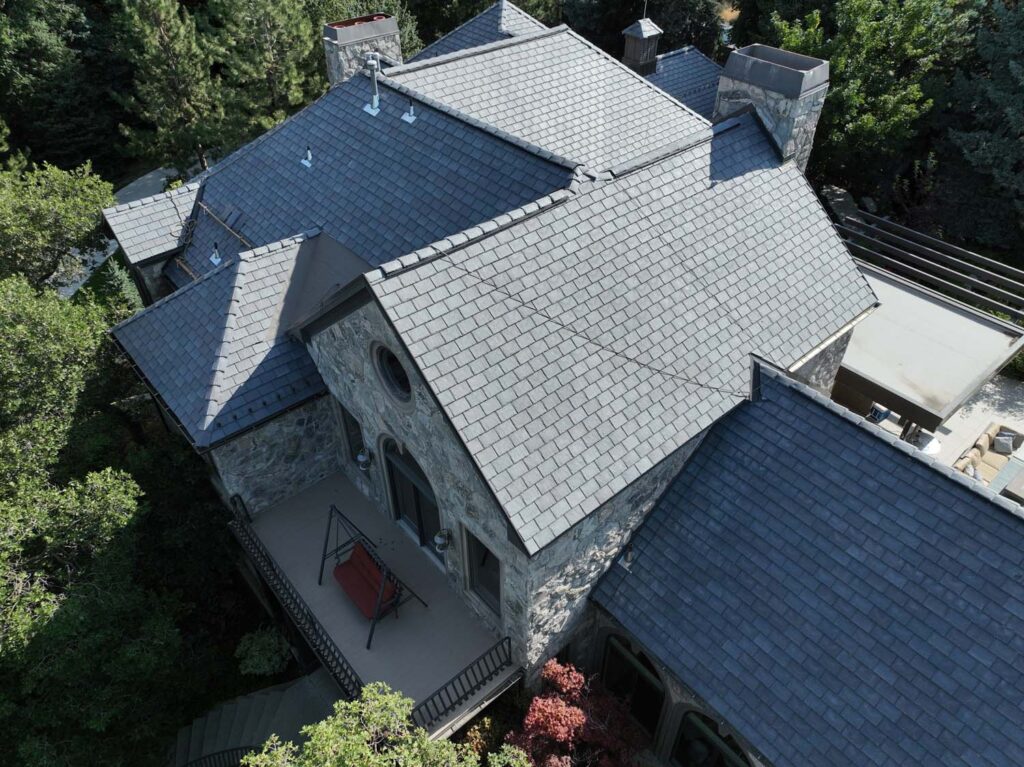
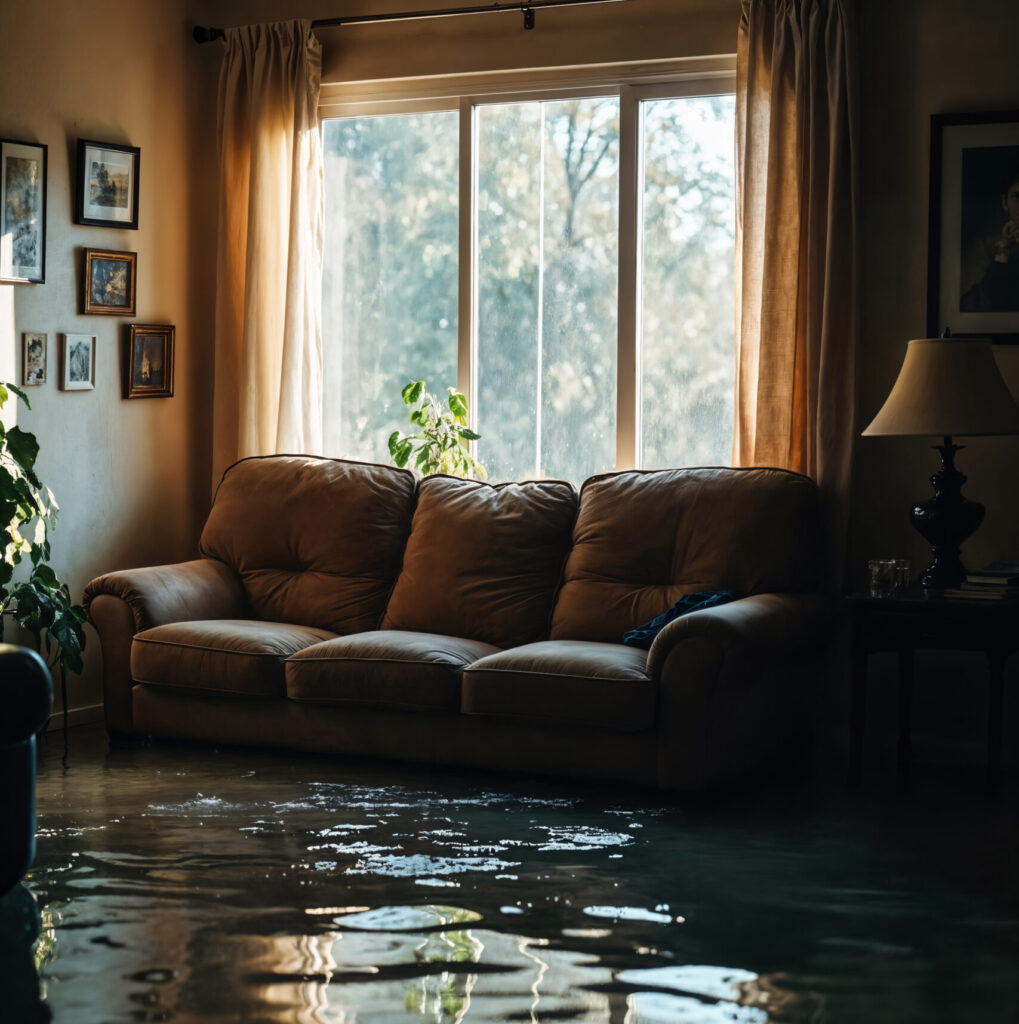
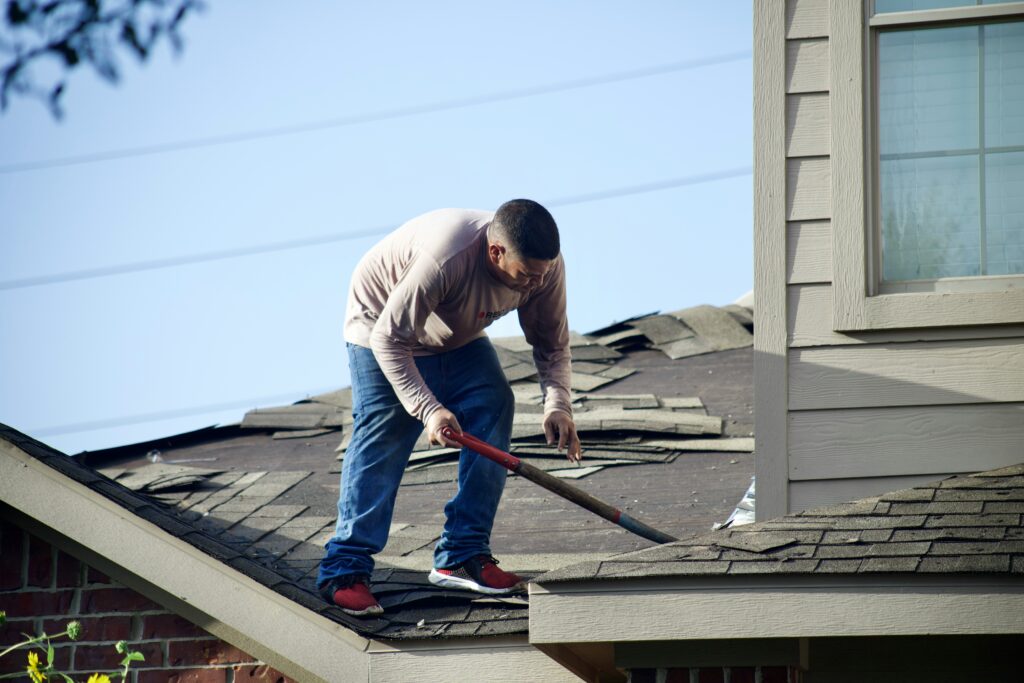
Much of the city west of Bangerter Highway and along the Mountain View Corridor sits on open ground with young landscaping and very little natural windbreak. The damage is rarely dramatic. Tabs crease and lose their seal, ridge caps lift, rake edges peel back, and fasteners work loose. From the driveway, the roof looks fine. The first symptom is often a stain on a bedroom ceiling two winters later.
Installation quality is what separates the roofs that hold up. Correct nailing pattern and placement, starter strip along the rakes and not just the eaves, and sealed ridge and hip caps are the details that matter in wind country. They are also the first details cut when a crew is paid by the square.
HOA Approval and Permits Come First
Two local requirements catch South Jordan homeowners off guard.
The first is architectural review. Daybreak and many other communities here have design guidelines governing roof color and material. If you are changing from your original shingle, that approval needs to be in hand before materials are ordered.
The second is permitting. Roof replacements in South Jordan require a city permit and an inspection at completion. A licensed contractor handles this as part of the job. A crew that offers to skip it is telling you something important.
What to Look for in a South Jordan Roofing Contractor
- A real local presence. A South Jordan address and phone number means someone is reachable in year three when a warranty question comes up.
- Employees, not rotating subcontractors. W2 crews trained to one standard produce more consistent installation detail.
- A full assembly inspection. Ventilation, decking, flashing, and penetrations, not just the shingle surface.
- A written scope. Layer count, underlayment, ventilation changes, and cleanup, documented before work starts.
- Utah licensing, liability insurance, and workers’ compensation.
- Permit and HOA paperwork handled for you.
Common Mistakes to Avoid
- Signing with a door-knocker after a storm. Wind events bring out-of-state crews into neighborhoods where every roof is the same age. Many are gone before the first warranty claim.
- Replacing shingles without fixing ventilation. Poor attic airflow cooks a roof from underneath and will shorten the life of the new one exactly as it shortened the old one.
- Choosing on price alone. The gap between a low bid and a fair one is usually underlayment, flashing, and labor- the parts that decide whether you do this again in twelve years.
- Waiting on an active leak. Once water reaches the decking, a repair becomes a decking replacement.
If Your South Jordan Home Was Built Between 2000 and 2010, Pay Attention
- Home built 2000-2005: Your original roof may already be beyond its expected lifespan.
- Home built 2006-2010: You’re entering the prime inspection/replacement window.
- Home built 2011-2015: Your shingles may have life remaining, but flashing, pipe boots, sealants, and ventilation should be inspected.
- Home built after 2015: Replacement probably isn’t the immediate concern, but storm and wind damage still can be.
Final Thoughts
A roof in South Jordan does not need to be exotic. It needs to be installed correctly, ventilated properly, detailed for wind, and permitted through the city. Most of what goes wrong here is a workmanship problem, not a materials problem.
Brady Roofing has served Utah homeowners and businesses since 1996, with experienced crews serving South Jordan, Daybreak, Herriman, Riverton, West Jordan, Bluffdale, and communities throughout the southwest valley. Our roofers are W2 employees trained to manufacturer standards, and we are fully licensed and insured. Every inspection looks beyond the shingles to evaluate the full roofing system, including ventilation, decking, flashing, and penetrations. You’ll receive a clear written assessment, an honest recommendation on whether repair or replacement makes sense, and transparent pricing without the pressure.
If you want a straightforward read on where your roof stands, schedule a free inspection at (385) 317-3659 and we will walk you through what we find.
Frequently Asked Questions
How long do roofs last in South Jordan, UT? Most builder-grade architectural shingles from the 2000s buildout last 18 to 25 years here. Utah’s UV exposure and freeze-thaw cycling push real performance toward the lower half of that range, especially on west-facing slopes with limited attic ventilation.
Do I need a permit to replace my roof in South Jordan? Yes. Roof replacements require a permit from South Jordan City and a final inspection. Brady Roofing handles both as part of the project.
Does my HOA have to approve my new roof? Often, yes. Daybreak and many South Jordan subdivisions have architectural guidelines covering roof color and material. Matching your existing shingle is usually straightforward. Changing it should be approved in writing first.
How do I know if wind damaged my roof? You usually cannot tell from the ground. Watch for granules collecting at downspout outlets, shingle debris in the yard after a wind event, and interior ceiling staining. A professional inspection after a storm is the reliable answer.